

gray tinted glass
Understanding Pin Gauge Set Range A Comprehensive Overview Pin gauge sets are essential tools in various industries, particularly in manufacturing, engineering, and quality control. They are used for precision measurement of hole sizes, ensuring that parts fit together correctly and function effectively. This article delves into the concept of pin gauge set range, its significance, applications, and best practices for usage. What is a Pin Gauge? A pin gauge is a small, precisely manufactured rod or pin with a specific diameter. These gauges are typically made of high-quality steel and are designed to meet strict tolerances, allowing them to accurately determine the sizes of holes or diameters. Pin gauges come in various sizes, and their utility extends across a wide range of applications in engineering and manufacturing. Understanding the Range of Pin Gauge Sets The range of a pin gauge set refers to the spectrum of pin sizes available within a specific set. For example, a set might cover a range from 0.5 mm to 10 mm, with each pin representing a unique diameter within that span. This ensures that engineers and quality control specialists have access to the precise measurements needed for different components. Pin gauge sets are typically organized in increments, which can vary depending on the set. Common increments include 0.1 mm, 0.2 mm, or 0.5 mm, allowing for detailed precision in measurement. Some specialized sets might also be available in finer increments for applications that require even more accuracy. The systematic arrangement allows users to quickly locate the right gauge without confusion. The Importance of Pin Gauge Set Range The range of a pin gauge set is critical for several reasons. First, it provides versatility. A broad range allows engineers to tackle a variety of tasks without needing multiple sets. This not only saves time but also streamlines the measurement process in manufacturing environments. pin gauge set range Second, precision is vital in manufacturing. The correct pin gauge ensures that the dimensions of holes are accurate, contributing to proper assembly and functionality of mechanical components. Inaccurate measurements can lead to costly errors, including wasted materials and the need for rework. Third, having a wide range enables quality control inspectors to effectively check the tolerances of produced parts. This is particularly important in industries where safety and compliance are paramount, such as aerospace and automotive manufacturing. Applications of Pin Gauge Sets Pin gauges are used in various applications including but not limited to 1. Quality Control Ensuring that machined parts meet specified dimensions. 2. Tool and Die Making Assisting in the creation of precision tools. 3. Assembly Processes Verifying the fit of components. 4. Prototype Development Checking tolerances in early-stage designs. Best Practices for Using Pin Gauge Sets To maximize the utility of a pin gauge set, consider the following best practices 1. Proper Storage Keep gauges in a protective case to avoid damage. 2. Routine Calibration Regularly check the accuracy of pin gauges against standard references to maintain precision. 3. Careful Handling Avoid dropping or mishandling gauges to prevent bending or deformation. In conclusion, the pin gauge set range is a vital component of precision engineering and manufacturing. Understanding its importance and applications empowers professionals to achieve higher quality standards and operational efficiency in their work. Investing in a comprehensive pin gauge set can provide significant returns in terms of accuracy, quality assurance, and cost-effectiveness in production processes.
about
gray tinted glass
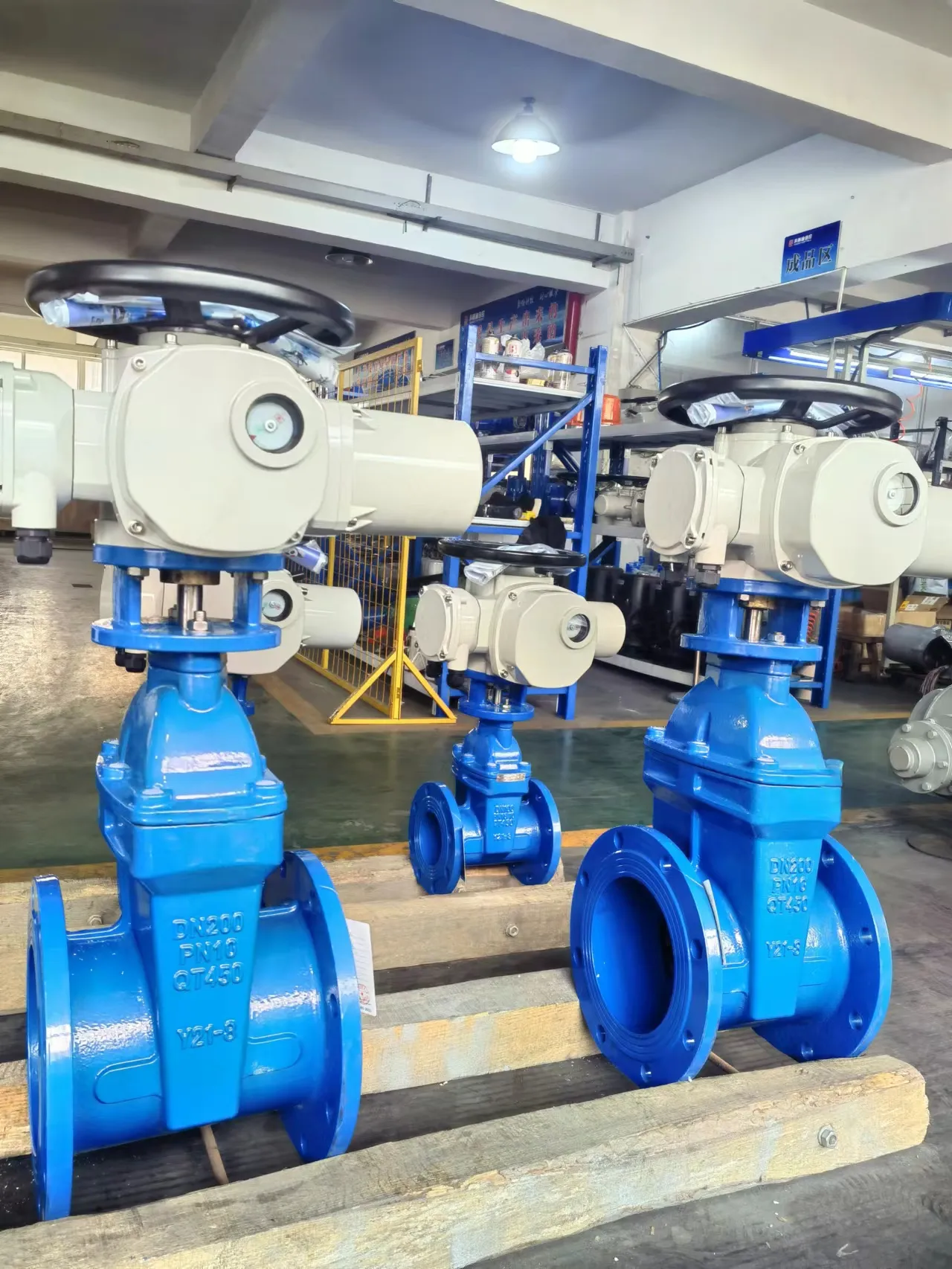
Understanding the Main Water Valve A Key Component in Home Plumbing The main water valve is an essential element in residential plumbing systems, serving as the gateway to water supply for the entire household. Located where the main water line enters the home, this valve plays a critical role in controlling the flow of water, preventing leaks, and ensuring the overall safety of water usage in households. In this article, we will explore the function of the main water valve, how to identify it, and the procedures for properly operating and maintaining this vital component. What Is the Main Water Valve? The main water valve is a valve that regulates the amount of water flowing into a home from the municipal water supply. Typically made from materials like brass, copper, or PVC, the main water valve can take various forms, with the most common types being gate valves and ball valves. Gate valves have a wheel that needs to be turned to open or close the valve, while ball valves use a lever that can be flipped to control water flow quickly. Knowing which type you have is crucial in emergency situations. Why Is the Main Water Valve Important? The main water valve serves several important functions. First and foremost, it allows homeowners to shut off the water supply during plumbing emergencies, such as a burst pipe or a leaking appliance. This capability can prevent extensive water damage and expensive repairs. Additionally, the valve is instrumental during plumbing installations, maintenance, or emergencies, ensuring that no water flows while work is being performed. Moreover, in regions where water may experience contamination or where the supply might be affected by natural disasters, being able to quickly shut off the main valve can protect the health and safety of all household members. By limiting the access to water during these crises, homeowners can mitigate risk. Locating Your Main Water Valve Finding your main water valve is the first step to ensuring you can manage your water system effectively. In most homes, the valve is located near the perimeter of the house where the main water line enters . Common locations include basements, crawl spaces, or even outside walls. If you have trouble locating it, follow the main water line from the street; it usually leads directly to the valve. main water valve Generally, the main valve can be identified by its size and the fact that it is connected to the water line. If you're uncertain, consult your home’s plumbing blueprint or seek assistance from a professional plumber. Operating the Main Water Valve Operating the main water valve is relatively straightforward and should always be done cautiously. To close the valve, turn the handle clockwise (right). Depending on the type of valve, it may require several turns to fully shut off the water supply. To open the valve, turn the handle counterclockwise (left). Always ensure that you operate the valve slowly to prevent sudden pressure changes that may damage your plumbing system. Maintenance and Precautions Regular maintenance of the main water valve is crucial to ensure its proper functioning. Homeowners should periodically check for leaks around the valve and confirm that it operates smoothly. If the valve is stiff or difficult to turn, it may require lubrication or replacement. It is also wise to periodically test the valve by turning it off and on to ensure that it is not stuck. When dealing with the main water valve, always keep safety in mind. Wear protective clothing when operating the valve and ensure that you have necessary tools on hand, such as a wrench. If you encounter significant resistance, or if the valve does not operate as expected, it’s advisable to contact a licensed plumber for assistance. Conclusion In summary, the main water valve is a critical component of any plumbing system, providing control over the water supply and playing a vital role in emergency management. By understanding its functionality, location, and maintenance needs, homeowners can better prepare for potential plumbing issues, ensuring the safety and efficiency of their water systems. Regular inspections and proactive care of the main valve can significantly reduce the risk of water damage and costly repairs, making it an essential element of responsible home ownership.
-

High quality industrial productsagement

High quality industrial products
View Details -

Meet the diverse needs of customers

Meet the diverse needs of customers
View Details -

Strict quality control

Strict quality control
View Details -

Top raw materials

Top raw materials
View Details -

Trusted supplier

Trusted supplier
View Details
Our application



news and information
Water Cut-Off Valve for Efficient Flow Control and Leak Prevention in Plumbing Systems
Understanding Water Cut-Off Valves A Crucial Component in Modern Water Management Water cut-off valv
Valve's Influence in the Chinese Market and Its Future Prospects
The Influence of Valve China on the Global Valve Industry In recent years, China has emerged as a ce
water valve key types
Understanding Water Valve Key Types Water valves are essential components in various plumbing system
 English